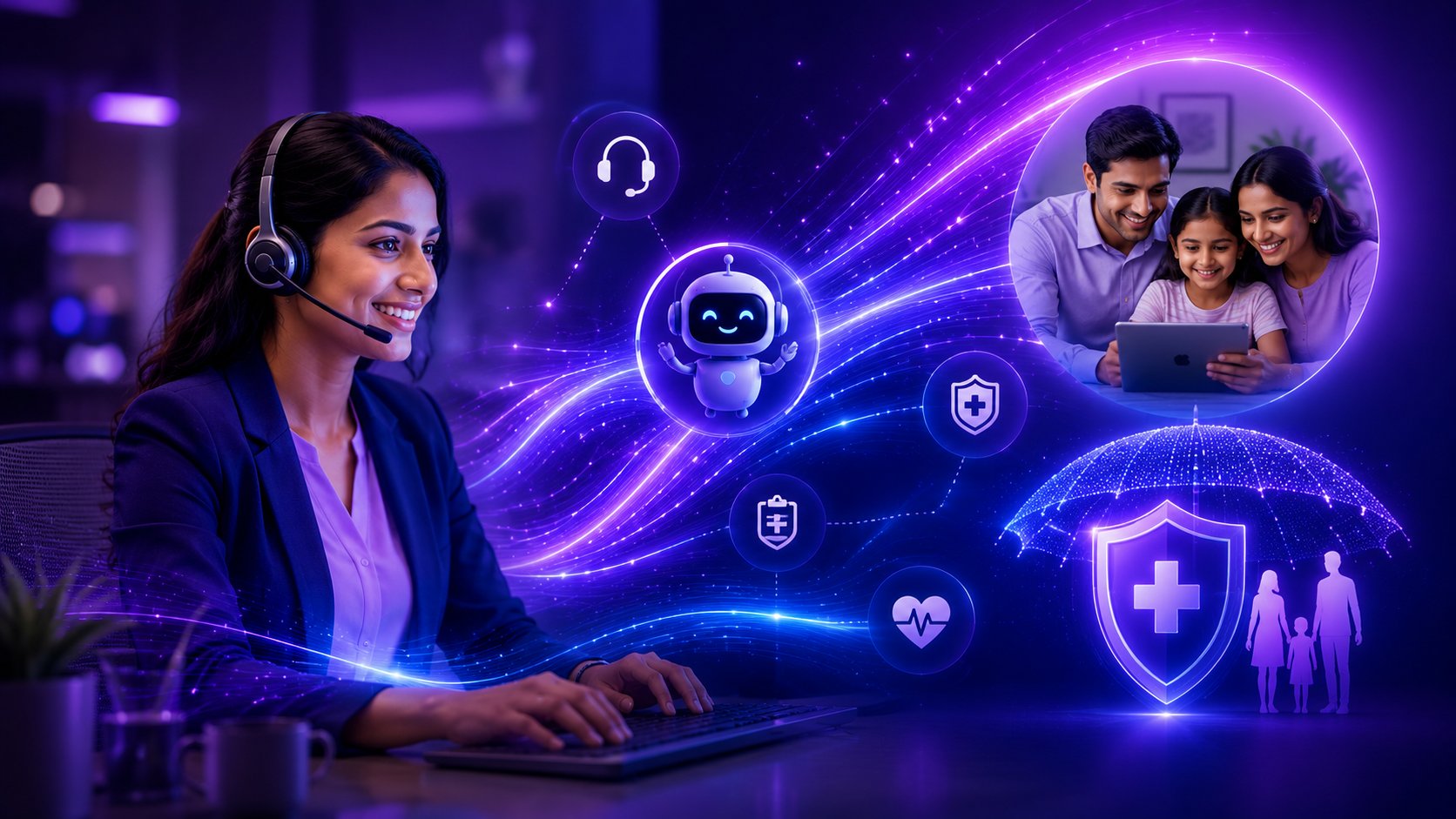
Malayalam Voice bots for Local Ecommerce: Enhancing Customer Engagement, Simplifying Shopping, and Driving Regional Growth

Insights / Malayalam Voice bots for Local Ecommerce: Enhancing Customer Engagement, Simplifying Shopping, and Driving Regional Growth
Malayalam Voice Bot

Key Takeaways :

• Malayalam voice bots let customers shop, ask questions, and get support by speaking naturally, including mixed Malayalam-English (Manglish, pending internal confirmation) — not just typing in English

• Regional-language interfaces have measurably increased ecommerce conversion among first-time buyers by 20-30% in Indian markets (Brill Creations, 2026)

• Regional-language content generates 1.5-2x higher engagement than English-language content in India (JustWords, 2026)

• Voice queries in regional Indian languages grew 45% in rural areas as demand for vernacular AI accelerates.

A Malayalam voice bot is an AI system that lets ecommerce customers shop, ask questions, and get support by speaking naturally in Malayalam — including Manglish, the mixed Malayalam-English speech pattern common across Kerala — instead of typing in English-only interfaces.

Kerala’s ecommerce market is growing quickly, but most shopping interfaces are still built English-first. For a large share of customers — especially in semi-urban and rural Kerala — that creates real friction: difficult product searches, impersonal support, and checkout flows that assume a comfort with English typing many shoppers simply don’t have.

What Malayalam voicebots mean for local ecommerce and customer engagement

Malayalam voice bots enable customers to interact with ecommerce platforms using natural spoken Malayalam rather than relying only on typing or English-language interfaces. These conversational AI systems understand customer intent, respond in real time, and support voice-driven shopping journeys across websites, WhatsApp, IVR systems, and mobile applications. By removing language and usability barriers, businesses create more inclusive and accessible digital commerce experiences for regional audiences.

Modern Malayalam AI voice agents combine speech recognition, natural language processing, machine learning, and conversational intelligence to support seamless customer interactions. They can understand Malayalam dialects, colloquial expressions, and Manglish speech patterns commonly used across Kerala. This enables more natural conversations where customers can ask questions, search for products, request updates, or complete purchases comfortably in their preferred language.

For businesses, Malayalam voicebots create a more scalable and efficient engagement layer across customer journeys. These systems integrate with ecommerce platforms, payment gateways, customer relationship management (CRM) systems, and operational tools to automate interactions while maintaining personalised communication. From product discovery and ordering to support and delivery updates, conversational voice automation helps businesses improve engagement quality, increase accessibility, and strengthen customer trust across Kerala’s growing digital commerce ecosystem.

Pain points affecting regional ecommerce growth and customer experience

One of the biggest challenges facing local ecommerce businesses is the language barrier created by English-first digital experiences. Many customers are more comfortable communicating in Malayalam, especially when asking questions, comparing products, or resolving issues. When platforms depend heavily on typing, menus, or English-language workflows, users may struggle to complete purchases confidently. This creates friction that directly impacts conversions and customer retention.

Operational complexity also affects customer experience quality. Businesses frequently handle repetitive queries relating to order status, delivery timelines, payment confirmation, stock availability, and returns. Managing these interactions manually increases workload pressure on support teams and slows response times. During high-demand periods, delays and inconsistent communication can reduce customer trust and increase cart abandonment rates.

Another major issue is fragmented engagement across multiple customer touchpoints. Customers may interact through WhatsApp, mobile apps, websites, IVR systems, and social channels, yet businesses often lack a unified conversational layer across these platforms. This leads to inconsistent experiences and repeated interactions. Without intelligent regional-language automation, organisations struggle to deliver efficient, personalised, and scalable customer engagement across Kerala’s evolving ecommerce market.

Solutions businesses need to improve Malayalam voice commerce performance

Malayalam voicebots improve local ecommerce performance by enabling customers to search, compare, and purchase products through natural voice conversations. Customers can ask questions about pricing, delivery, availability, and recommendations without navigating complicated interfaces. This reduces friction during the shopping journey and creates faster, more intuitive customer experiences across digital channels.

Continuous conversational support is another major advantage. AI-native Malayalam voice systems operate 24/7, allowing businesses to manage customer interactions without increasing staffing requirements. Customers receive immediate assistance for common requests such as order tracking, appointment scheduling, payment confirmation, and returns. Faster responses improve engagement while reducing operational pressure on customer service teams.

These systems also support intelligent automation across the entire commerce lifecycle. Malayalam AI voice agents integrate with CRM systems, payment gateways, inventory platforms, and messaging channels to automate workflows and personalise interactions. Businesses can deliver multilingual engagement, automate outbound reminders, and provide real-time updates through one connected conversational layer. With conversational voice automation, organisations improve accessibility, strengthen customer trust, and scale regional commerce operations more efficiently across Kerala’s growing digital economy.

How Malayalam Voice Bots Handle Mixed-Language Speech

The genuine technical challenge isn’t recognising standard Malayalam — it’s handling how people actually speak, which mixes Malayalam and English within the same sentence. A working Malayalam voice bot needs three things layered together:

Speech recognition trained specifically on Malayalam and Manglish speech patterns, not just standard Malayalam audio

Natural language understanding that can parse code-switched sentences — where a customer might ask about a product in Malayalam but name the product itself in English

Context retention across a conversation, so a follow-up question (“athinte price enthaanu” — “what’s its price”) is understood as a continuation, not a fresh, disconnected query

This is why a generic multilingual voice model often performs worse in practice than one specifically trained on Kerala speech patterns — standard Malayalam-only training misses the Manglish mixing that’s actually typical of how people speak.

A Worked Example: A Kochi Grocery Order

A customer in Kochi opens WhatsApp and says, in Manglish: “Eng nte area il delivery undo, oru kg rice venam.” (“Is there delivery in my area, I need a kg of rice.”) A text-only, English-first system would likely fail to parse this correctly. A Malayalam voice bot trained on Manglish recognises the mixed-language structure, confirms the delivery area, and completes the order conversationally — the same way a human store assistant would, without the customer needing to switch to English or type anything at all.

Why English-First Interfaces Lose Kerala Customers

Many customers are more comfortable communicating in Malayalam, especially when comparing products or resolving issues. When a platform depends on typing and English-language menus, users can lose confidence mid-purchase. Support teams also absorb this friction directly — handling repetitive queries about delivery, payment, and returns manually, across disconnected channels like WhatsApp, IVR, and the website, with no shared conversational layer tying them together.

Malayalam Voice Bots

Why Worktual works for Malayalam voicebots and local ecommerce businesses

Worktual enables businesses to deploy intelligent Malayalam voice bots through a unified conversational AI-native platform designed for regional customer engagement. Rather than offering standalone automation tools, Worktual combines conversational AI, customer intelligence, workflow automation, and omnichannel engagement into one connected system. This allows businesses to deliver more personalised and scalable customer experiences across local commerce journeys.

Powered by Worktual’s Cognitive Data Platform, Malayalam AI voice agents can understand regional speech patterns, Manglish conversations, and contextual customer intent in real time. The platform integrates seamlessly with WhatsApp, IVR systems, websites, mobile applications, payment gateways, and CRM platforms to automate customer interactions while maintaining natural communication quality. Businesses gain a more efficient and intelligent engagement layer across sales, support, and service operations.

Worktual also embeds security, scalability, and continuous optimisation into the core of its voice automation platform. From customer data handling and access controls to workflow management and analytics, every layer is designed to support dependable operations and long-term growth. Through a consultancy-led approach, Worktual helps businesses implement Malayalam voice commerce solutions tailored to Kerala’s evolving digital marketplace while improving customer engagement, operational efficiency, and regional expansion opportunities.

Discover how Worktual can help your business transform local ecommerce with intelligent Malayalam voicebots designed to improve customer engagement, simplify shopping journeys, and drive regional growth through conversational AI.

FAQs

1. What are Malayalam voice bots?

Malayalam voice bots are AI-native conversational systems that allow customers to interact with businesses using spoken Malayalam.

2. How do Malayalam voice bots improve ecommerce experiences?

They simplify shopping, reduce language barriers, and enable faster voice-based interactions across customer journeys.

3. Can Malayalam voice bots understand Manglish conversations?

Yes, advanced systems are trained to understand mixed Malayalam-English speech patterns commonly used in Kerala.

4. Which industries benefit from Malayalam voice automation?

Retail, grocery delivery, healthcare, local services, travel, and hyperlocal commerce businesses benefit significantly.

5. Can Malayalam voice bots integrate with existing business systems?

Yes, they integrate with CRM platforms, WhatsApp, IVR systems, ecommerce platforms, and payment gateways seamlessly.

6. Is there real demand for Malayalam voice commerce, or is this a niche feature?

Demand is real but still early-stage — voice queries in regional Indian languages have grown 45% in rural areas, and regional-language interfaces measurably lift ecommerce conversion. For Kerala specifically, it’s a genuine differentiator for reaching semi-urban and rural shoppers, not yet a mainstream must-have.

7. Does a Malayalam voice bot replace the need for English support entirely?

No — it’s an additional channel, not a replacement. Most Kerala ecommerce businesses need both, since urban, English-comfortable customers and Malayalam/Manglish-first customers often shop the same platform.